FAQs
Common Questions About Men's Health and Nutrition
What are essential nutrients for men?
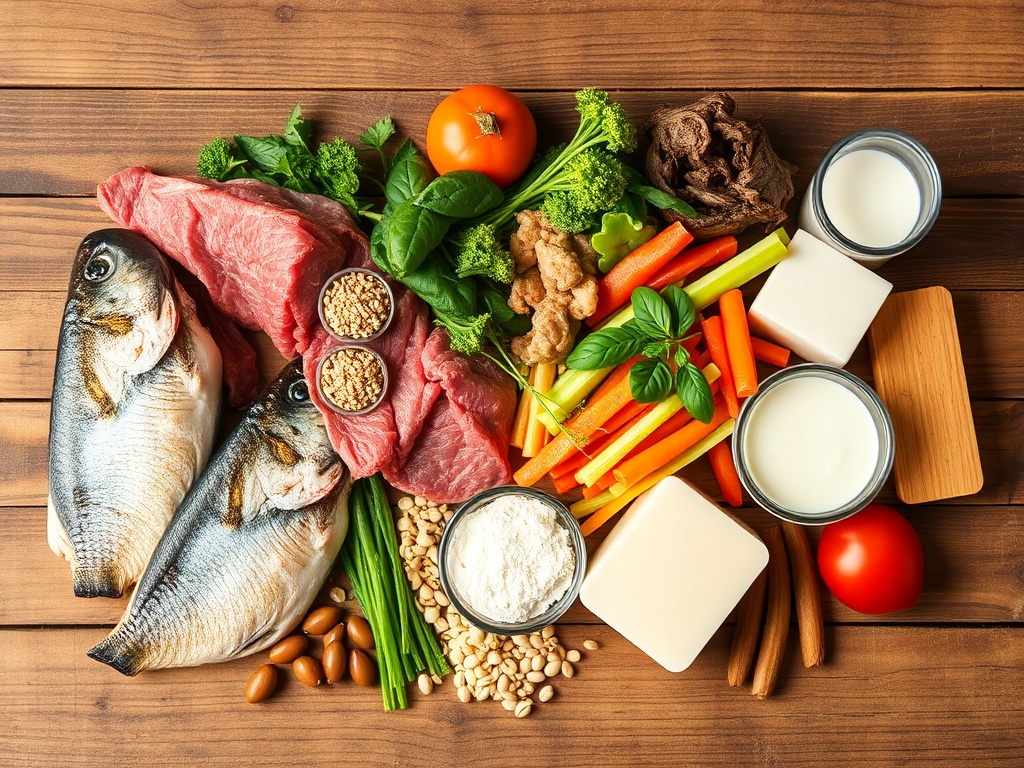
Essential nutrients form the foundation of men's health and vitality. Protein supports muscle development and recovery, while healthy fats promote heart health and hormone balance. Vitamins and minerals like zinc, selenium, and magnesium are crucial for testosterone production, immune function, and energy levels. A balanced diet rich in lean meats, fish, nuts, seeds, and whole grains ensures your body receives everything needed for optimal performance, endurance, and long-term wellness.
Why is nutrition important for men's health?
Proper nutrition directly impacts energy levels, mental clarity, physical performance, and disease prevention. Men's bodies have unique nutritional demands, especially related to muscle maintenance, cardiovascular health, and prostate function. A well-planned diet can enhance libido, improve workout results, boost metabolism, and reduce the risk of chronic diseases like heart disease and diabetes. Investing in good nutrition today prevents health complications tomorrow and supports an active, fulfilling lifestyle.
What dietary changes can improve muscle growth and recovery?
Building lean muscle requires adequate protein intake, typically one point six to two point two grams per kilogram of body weight daily. Pair protein with complex carbohydrates for energy and healthy fats for hormone production. Don't overlook micronutrients like vitamin D, iron, and potassium, which support muscle function and recovery. Stay hydrated and consider timing your meals around workouts for optimal results. Consistency in nutrition combined with resistance training yields the best outcomes.
How can men improve cardiovascular health through diet?
Heart health starts with reducing saturated fats and increasing omega-three fatty acids from fish, flaxseeds, and walnuts. Include plenty of fiber through vegetables, fruits, and whole grains to lower cholesterol and blood pressure. Limit sodium intake and avoid processed foods high in trans fats. Add foods rich in antioxidants like berries, dark leafy greens, and tomatoes. Regular physical activity combined with a heart-healthy diet significantly reduces cardiovascular disease risk and improves overall wellness.
What role does hydration play in men's health?
Water is essential for every bodily function, from nutrient transport to temperature regulation and joint lubrication. Proper hydration improves cognitive function, exercise performance, and metabolic efficiency. Most men need at least three point seven liters daily, more if active or in hot climates. Dehydration leads to fatigue, reduced strength, and poor concentration. Beyond water, consider electrolyte balance through coconut water or sports drinks during intense exercise. Listen to your body's signals and drink consistently throughout the day.
How does nutrition support mental health in men?
Brain health depends on quality nutrition just like physical health does. Omega-three fatty acids, B vitamins, and antioxidants support mood regulation and cognitive function. Foods like fatty fish, eggs, nuts, and leafy greens contain nutrients that reduce inflammation and support neurotransmitter production. A balanced diet stabilizes blood sugar, preventing mood swings and energy crashes. Proper nutrition has been linked to reduced anxiety and depression symptoms. Taking care of your diet is taking care of your mental wellbeing.
Additional Expert Tips for Optimizing Your Nutritional Health

What supplements should men consider taking?
While whole foods should be your primary source of nutrients, certain supplements can fill gaps. Vitamin D is crucial if you lack sun exposure, supporting bone health and immunity. Magnesium helps with sleep and muscle recovery. Omega-three supplements benefit men who don't eat enough fish. Zinc and selenium support reproductive and immune health. Consult a nutritionist before starting any supplement regimen to ensure they're appropriate for your individual needs and won't interact with medications.
How can men manage weight through better nutrition?
Sustainable weight management combines adequate protein intake for satiety with whole grains, vegetables, and healthy fats. Avoid crash diets that deplete energy and muscle mass. Focus on creating a modest calorie deficit while maintaining nutritional density. Track your eating patterns to identify areas for improvement without obsession. Include strength training to preserve muscle while losing fat. Consistency matters more than perfection. A balanced approach prevents rebound weight gain and establishes lifelong healthy habits.
What foods should men prioritize for prostate and reproductive health?
Lycopene-rich tomatoes, selenium-containing Brazil nuts, and zinc-rich oysters support prostate health. Pumpkin seeds benefit urinary function, while pomegranate may improve blood flow. Include cruciferous vegetables like broccoli and cauliflower for their anti-inflammatory properties. Fatty fish provides omega-threes that support hormonal balance. Green tea contains compounds with potential protective benefits. A diverse diet of colorful whole foods provides the full spectrum of nutrients needed for reproductive health and hormonal balance.
How should men adjust nutrition for different life stages?
Nutritional needs evolve throughout life. Young men building muscle need higher protein and calories. Middle-aged men should focus on heart health and weight management to prevent chronic disease. Older men benefit from increased protein to combat muscle loss and calcium for bone density. All stages benefit from whole foods, regular exercise, and consistent hydration. Adjust portion sizes and nutrient ratios based on activity level and health goals. Personalized nutrition plans address your specific life stage and objectives.
What's the impact of alcohol and caffeine on men's health?
Moderate caffeine intake can boost energy and focus, but excessive amounts disrupt sleep and increase anxiety. Alcohol in moderation may have cardiovascular benefits, but excessive drinking harms liver health, testosterone levels, and body composition. Limit alcohol to one to two drinks daily and avoid relying on caffeine late in the day. Be mindful of hidden caffeine in energy drinks and sodas. Your overall nutrition and sleep quality matter more than any single substance. Balance enjoyment with health benefits.
How can meal planning simplify healthy eating for men?
Meal planning removes guesswork and prevents unhealthy convenience choices. Start by selecting proteins, vegetables, and grains you enjoy, then build simple recipes around them. Batch cooking on weekends saves time during busy weekdays. Prepare protein in bulk, chop vegetables, and portion snacks in advance. Keep healthy staples on hand: nuts, Greek yogurt, frozen vegetables, and canned fish. Plan for flexibility by keeping versatile ingredients that work in multiple meals. Consistency and preparation are keys to long-term nutrition success.


Get your personalized nutrition assessment
Expert guidance tailored to your unique health goals